

Getting your house under contract is a relief.
For starters, you can make plans that involve something other than keeping the kitchen spotless and then heading out to grab a bite whenever someone wants a showing at dinnertime.
But the biggest relief is no longer having to guess when the buyer will appear, who it will be, how much they’ll offer, and when you’ll be able to close on the sale. It’s all there in black and white, signed, dated, and solid.
Then the inspection happens, and suddenly the buyer seems a lot less excited.
You’ve heard this can happen. You probably even braced yourself to give in to some repair requests.
But their request sounds a lot more like a demand. A manageable issue starts sounding like a deal breaker. You’re wondering how someone who loved your house last Tuesday can be ready to walk away by Friday. No matter how much you agree to address in the inspection report, it doesn’t seem to reassure them.
Before you dig in your heels or agree to everything just to keep the sale together, it’s worth finding out if it’s really even about the home inspection.
The Inspection May Reveal Problems, but Not the Buyer’s Biggest Concern
Some inspection findings deserve serious attention. Structural damage, unsafe wiring, or a heating system that doesn’t work can raise legitimate concerns about the house and the cost of owning it.
But a report can also include a laundry list of maintenance items, normal wear and tear, and suggested improvements. Taken together, they can make a buyer feel like the house they loved is suddenly a collection of problems.
A long report doesn’t necessarily mean the house is falling apart. But it can contribute to the deal falling apart.
The buyer may actually be concerned about a specific issue or two (or three hundred).
Or… the inspection findings may be piling onto financial worries, second thoughts, or other concerns that have been building since they made the offer.
If that’s the case, even agreeing to address every single one of the repairs may not address what’s really bothering them.
What Could Be Their Actual Concerns?
People are complicated. There are some common reasons buyers get nervous, but each person brings a different background and set of circumstances to the purchase.
It’s impossible to account for every possibility. But here are a few concerns that could be coming out as an inspection issue or demand:
- Their financing costs changed. Rates often move up or down a smidge while buyers are hunting for a house. They may not have noticed how much they’ve crept up, or a sharper increase may have caught them before they locked their rate. Now they’re looking closely at the monthly payment and realizing it’s higher than anticipated. That can be unsettling, especially if they were already buying near the top of their budget.
- They’re worried about the economy or their job. Qualifying for a mortgage doesn’t necessarily mean feeling comfortable taking one on. News about the economy, layoffs at work, or uncertainty about future income can make a buyer question a commitment they felt perfectly fine making a few weeks ago.
- They’re dealing with personal issues. Relationship or family problems can run in the background while people go about their lives. But buying a house together and taking on a lengthy financial commitment can bring those problems to the forefront. A disagreement that usually blows over may feel like a bigger deal (or deal breaker) when they’re about to sign up for thirty years of payments together.
- They’re reconsidering the purchase altogether. Once the excitement settles, they may start questioning the location, the amount of work involved, or whether another house would suit them better.
Figure Out What (If Anything) You Can Actually Do About It
It’s smart to be flexible when it comes to home inspection issues and be open to agreeing to fix what needs to be addressed. If there’s a legitimate issue with the house, another buyer may have the same concern. You might be better off dealing with it now, whether this buyer sticks around or not.
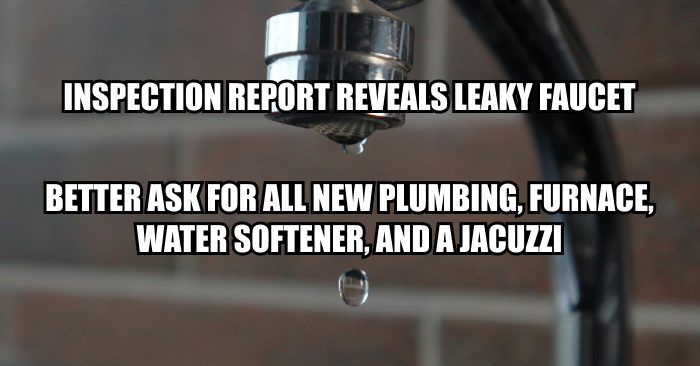
But before you start agreeing to fix everything on the list, it’s worth finding out what would actually make the buyer feel better about moving forward. Fixing a leaky faucet won’t make someone feel better about whether they’ll have a job next month.
It’s more of an art than a science, really. You can’t always get a direct answer as to what is lurking beneath the surface. But a skilled agent can often ask just the right questions and have conversations with the buyer’s agent that will help them read between the lines and get a feel for what’s really driving their reaction.
From there, you can figure out whether there’s something you’re willing and able to do that would actually help. Sometimes a little reassurance, flexibility, or a reasonable concession is enough to get things back on track.
Other times, the buyer has concerns you (or your agent) can’t do much about, no matter how many repairs you agree to, how much money you offer, or how skilled at negotiating you are.
That doesn’t mean you shouldn’t try to work things out. It just means you shouldn’t assume a deal falling apart is proof that something is wrong with your house, or that you didn’t do enough to save it.